Ammonia Fire: Emergency Hazmat Response Teams Secure Industrial
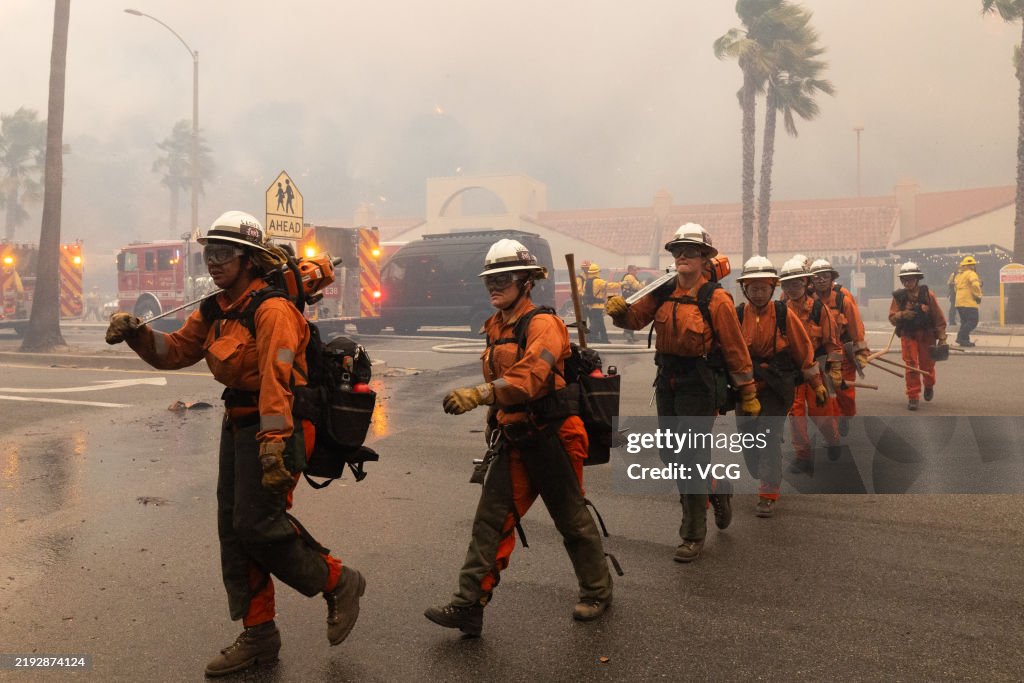
Specialized hazardous materials units and regional emergency rescue crews established an active containment perimeter early Tuesday morning after an industrial storage vessel triggered an operational crisis. Emergency communications personnel initiated a multi-agency mobilization following verified reports of a localized ammonia fire at an agro-industrial processing complex adjacent to the regional transit corridor. First-arriving tactical engines reported dense chemical vapor emissions mingling with active flames around pressurized piping manifolds, prompting immediate defensive perimeter control measures.
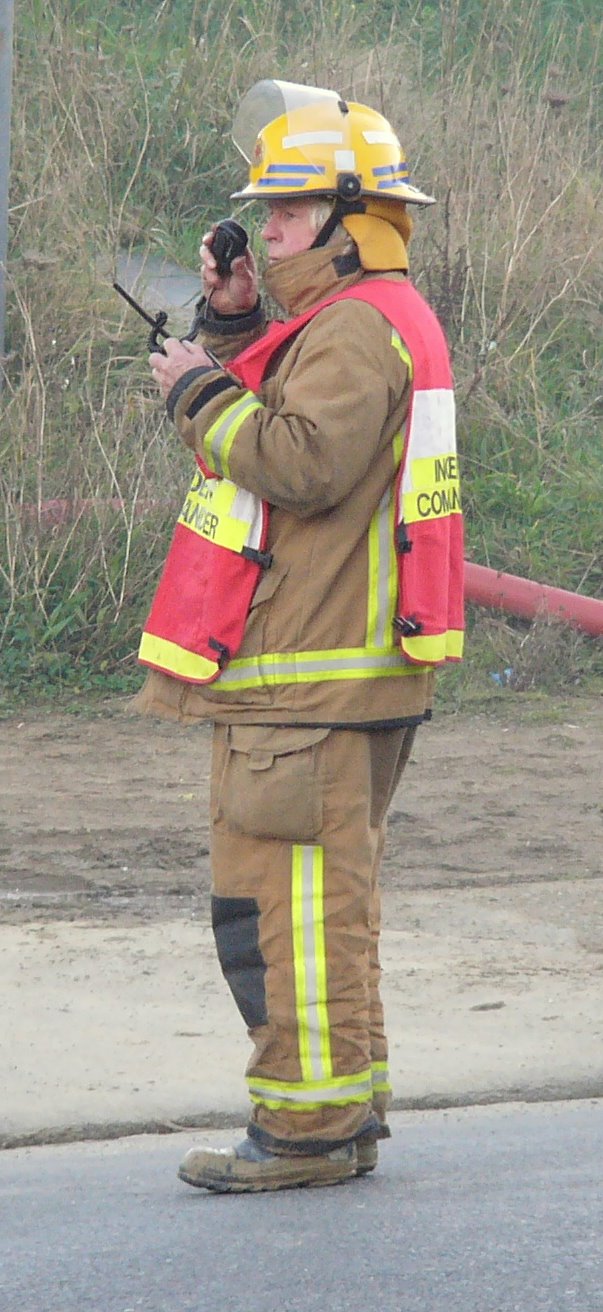
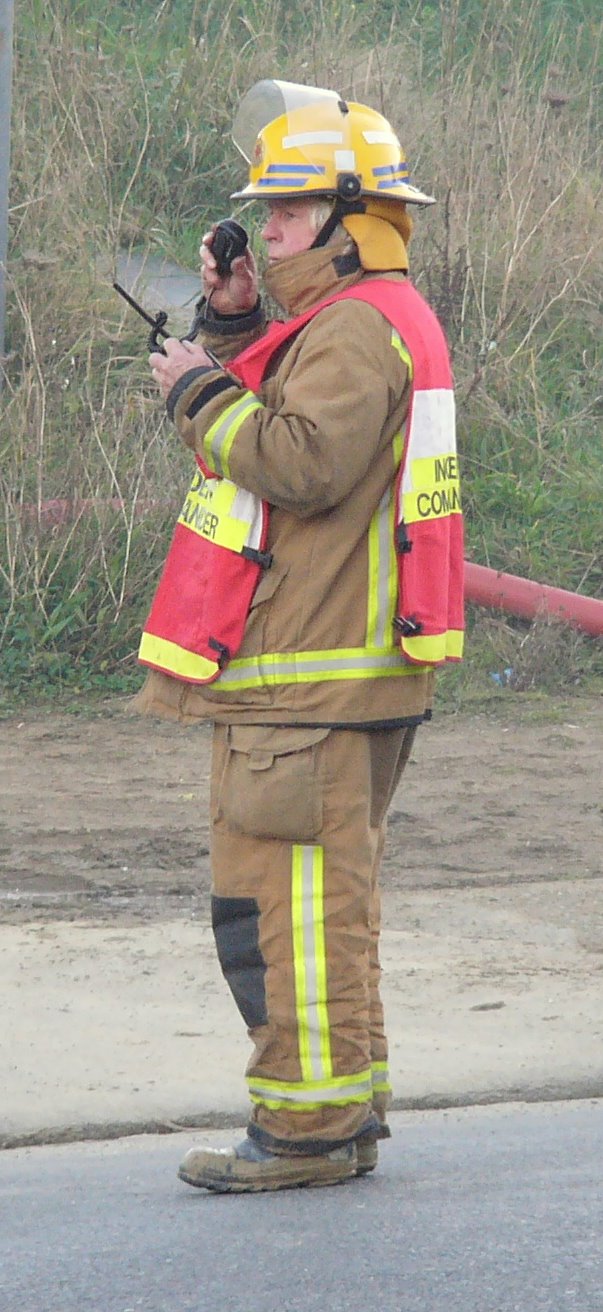
Incident commanders quickly deployed thermal imaging monitors and atmospheric sensors to track particulate dispersion and thermal radiation levels. Mutual aid strike teams from neighboring municipal districts arrived within twelve minutes of the primary alarm, coordinating structural water curtains designed to suppress flammable vapors without escalating chemical runoff into municipal storm systems. By 7:45 a.m., law enforcement liaisons established traffic diversion routes spanning three miles, safeguarding transit corridors while technical specialists secured emergency shutoff valves on the primary intake conduits.
Dispatch Chronology and Initial Priority Response Logs
According to computerized dispatch transcripts recorded by the regional emergency communications authority, the first distress calls arrived at 5:18 a.m. Facility automated telemetry systems alerted local dispatchers to sudden pressure drops across the refrigeration distribution grid, immediately followed by visual confirmation of smoke rising above the facility’s western loading platform.
- 05:18 a.m. — Master alarm triggered by automated pressure sensors; initial 911 dispatch generated for regional industrial sector.
- 05:24 a.m. — Engine 14 and Ladder 9 arrive on scene, establishing Command and confirming pressurized vapor engagement.
- 05:32 a.m. — Incident Commander upgrades response to a Level 2 Hazmat emergency, requesting mutual aid air monitoring units.
- 05:46 a.m. — Primary suppression team activates wide-angle fog nozzles to mitigate vapor cloud buoyancy.
- 06:15 a.m. — Technical isolation teams successfully shut down line segment isolation valves, curbing fuel feed.
Perimeter Security and Evacuation Corridor Management
Public safety directors and county emergency management personnel coordinated an immediate 1,000-foot safety buffer surrounding the facility boundaries. Highway patrol cruisers, alongside municipal transit officers, closed secondary access thoroughfares and diverted heavy commercial traffic away from the immediate hazard zone. Industrial workers situated in adjacent warehouses were directed along designated eastern evacuation corridors to pre-identified rally checkpoints outside the prevailing downwind path.
Environmental response specialists continuously gathered readings using photoionization detectors and electrochemical sensors. Field personnel verified that ambient atmospheric readings downwind remained beneath acute exposure guideline thresholds throughout the critical mitigation window. First responders established decon corridors along the perimeter to ensure technicians exiting the exclusion zone underwent rigorous wash-down routines before equipment transport.
Suppression Tactics and Hazmat Containment Protocols
Controlling a pressurized chemical incident presents unique thermodynamic complexities for frontline firefighters. Anhydrous compounds possess narrow flammability ranges, but when exposed to confined heat sources, rupture risks accelerate dramatically. Fire engineers avoided direct water streams onto the core pressure vessel to prevent violent boiling reactions, instead using elevated master streams to blanket surrounding structures with cooling water.
Technical hazmat teams operating in Level A fully encapsulated vapor-protective ensembles accessed the auxiliary manifold corridor shortly after sunrise. Utilizing non-sparking hand tools, specialists manipulated emergency isolation gate valves, effectively depriving the localized blaze of continued fuel. The strategic deployment of unmanned monitor nozzles ensured steady boundary cooling while minimizing human personnel exposure to potential structural failure or toxic vapor concentrations.
Environmental Monitoring and Runoff Mitigation Actions
Mitigation strategies extended beyond atmospheric suppression to safeguard surface water networks. Municipal public works crews deployed absorbent dikes, sand barriers, and containment booms around storm drain catch basins surrounding the perimeter. These physical barriers captured contaminated runoff generated by water fog nozzles, routing drainage into localized retention basins for certified recovery and safe neutralization treatment.
State environmental protection authorities joined incident command at 8:10 a.m. to supervise soil sample collection and surface drainage monitoring. Technical staff confirmed that localized containment operations successfully prevented chemical-laden wastewater from reaching adjacent tributary channels, preserving local water system integrity throughout the emergency cycle.
Current Site Assessment and Transition to Investigative Review
By mid-morning, emergency operations had officially transitioned from active chemical suppression to structural stabilization and atmospheric decontamination. Specialized ventilation blowers were deployed to clear residual vapors from enclosed mechanical rooms, allowing industrial hygiene inspectors to begin structural integrity checks alongside structural engineers. Incident commanders announced the lifting of peripheral transit diversions shortly before 11:30 a.m., reopening major arterial roads to general traffic.
Facility managers and municipal fire marshals are reviewing maintenance logs, pressure valve safety inspections, and automated shutoff valve telemetry to establish the root ignition source. Continuous environmental surveillance operations remain active at the facility to ensure absolute baseline stability before maintenance teams receive clearance for full operational repairs.