Tornado Santa Fe: Emergency Response Teams Deploy to Address
Emergency management officials in the greater Santa Fe region have initiated a comprehensive recovery protocol following a confirmed weather event involving a tornado santa fe that touched down during the late evening hours on Tuesday. Radar signatures and subsequent ground-level visual confirmations from local law enforcement indicated a brief but intense funnel formation that impacted residential and industrial sectors on the city’s outskirts. First responders, including battalion units from the County Fire and Rescue Department and regional utility crews, were dispatched immediately to the affected zones to secure downed power lines, clear arterial roadways of debris, and conduct primary search and rescue sweeps.
Initial Dispatch Chronology and Emergency Coordination Protocols
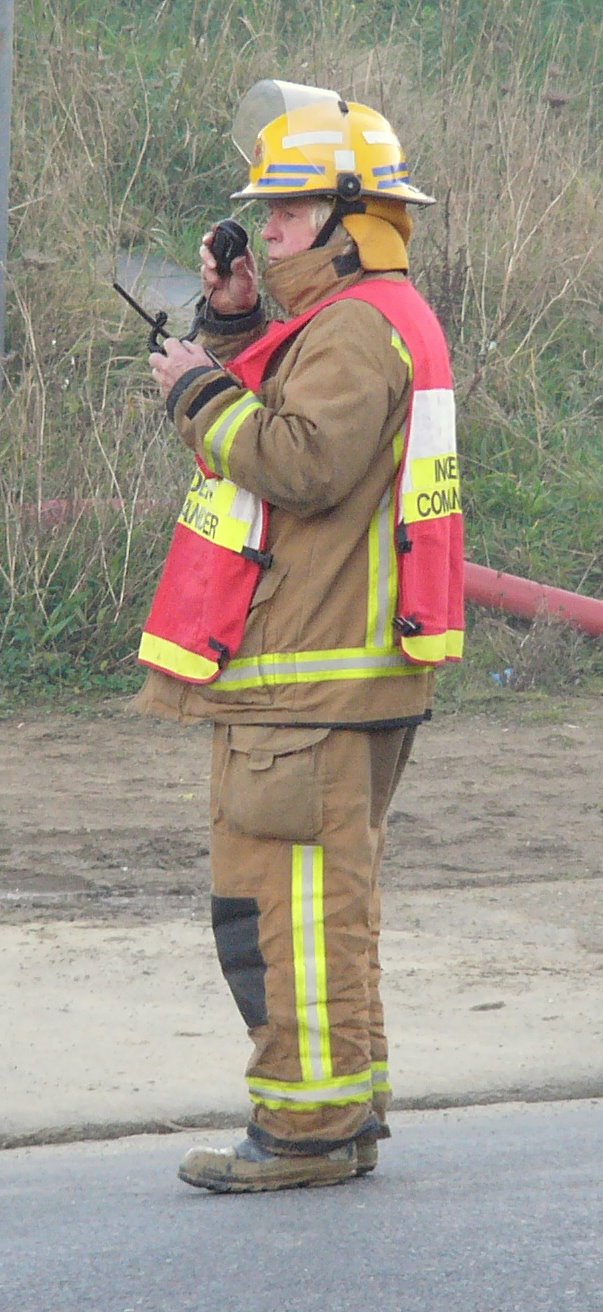
The sequence of events began at approximately 9:14 p.m. local time, when the National Weather Service issued an urgent tornado warning for the affected sector. Emergency dispatch centers experienced a significant influx of calls within the subsequent twelve-minute window. Tactical teams were staged at pre-determined zones to ensure rapid deployment. By 9:45 p.m., the incident commander declared a formal stage-one alert, prioritizing the integrity of high-voltage transmission lines and secondary roads that had become obstructed by fallen foliage and structural fragments. Communication between the Emergency Operations Center (EOC) and onsite command posts remained centralized throughout the peak of the storm to ensure resource allocation efficiency.
Impacted Infrastructure and Municipal Utility Restoration Efforts
Preliminary assessments conducted by the municipal engineering department show varying degrees of structural damage focused primarily along the municipal corridor connecting Santa Fe to neighboring jurisdictions. Utility providers have reported intermittent service interruptions affecting approximately 4,200 accounts. The restoration strategy is being executed in the following priority sequence:
- Stabilization of primary electrical substations to prevent widespread grid oscillation.
- Clearing debris from transit corridors designated as emergency evacuation or medical response routes.
- Documenting and photographing structural impacts for federal and state assistance documentation.
- Restoring water pump functionality in residential zones identified by local water management authorities.
Crews are currently operating under a rotating shift schedule to maintain continuous presence in the affected area, ensuring that safety perimeters remain enforced during the debris removal phase.
Scene Perimeter Security and Traffic Management Operations
Local law enforcement agencies have established a secure perimeter around the hardest-hit neighborhoods to prevent unauthorized access and protect personal property. Traffic Division officers are overseeing detours for primary traffic arteries to facilitate the movement of heavy machinery and emergency equipment. Motorists are strictly advised to avoid the designated impact zones, as numerous downed cables and unpredictable structural instabilities remain a significant hazard. The Department of Transportation is actively reviewing signal integrity at key intersections within a three-mile radius of the touchdown point to confirm that traffic patterns can be safely restored by the next business day.
Official Briefing and Ongoing Meteorological Analysis
A spokesperson for the County Emergency Management Bureau stated during a midnight press conference that while damage is extensive in localized pockets, no fatalities have been confirmed as of this update. Meteorologists are currently analyzing radar data and storm path trajectory to determine the specific classification of the twister. Official reports from the site investigation will be formalized once the National Weather Service completes its ground-truth surveys over the next twenty-four hours. Civic leaders have requested that residents monitor official municipal social media channels for real-time bulletins regarding shelter locations and updated resource centers.
Resource Deployment and Long-Term Recovery Outlook
Looking ahead, the city has finalized the establishment of a centralized clearinghouse for residents seeking information on insurance filing and debris removal policies. Agencies coordinating these efforts include the American Red Cross and local volunteer associations tasked with providing hydration, temporary sustenance, and logistical support for those displaced by the damage. Financial analysts from the city’s planning office are working in parallel to estimate the economic scope of the recovery effort, which will be integrated into the next municipal safety council meeting.